
Nursing Student Handbook
Contents
Click on the titles below to drop to a section for information. Most handbook content is included, but some information is only found using the full handbook version.
Accreditation
Butler Community College is accredited by the Higher Learning Commission and by the Kansas State Board of Regents.
The Higher Learning Commission
230 South LaSalle Street, Suite 7 500, Chicago, Illinois 60604-1411
Phone: 800.621.7440 / 312.263.0456 | Fax: 312.263.7462
Kansas State Board of Regents
1000 SW Jackson Suite 520, Topeka, KS 66612-1368 (785)430-4240 www.kansasregents.org
The Butler Nursing Program is also fully approved by the Kansas State Board of Nursing and accredited by the Accreditation Commission for Education in Nursing (ACEN).
Accreditation Commission for Education in Nursing (ACEN)
3390 Peachtree Road NE Suite 1400, Atlanta, GA 30326 (404)975-5000 www.acenursing.org
Full ACEN continuing accreditation through Spring 2032. Next continuing accreditation site visit will be Spring 2032.
Kansas State Board of Nursing
900 SW Jackson St, Suite 1051, Topeka, KS 66612-1230 (785)296-4929 www.ksbn.org
First level: Full continuing approval for the first level through Spring 2028.
ADN Program: Continuing approval through Spring 2032. The next approval and review process per ACEN recommendations is scheduled for Spring 2032.
Letter from the Dean
Welcome!
I am very pleased to welcome you to Butler Community College‘s nursing program. Butler‘s nursing program is steeped in rich tradition and well respected in the community, region, and state. Well known for the quality education provided, Butler has consistently prepared the Associate Degree level graduate for successful licensure and entry into professional practice.
Our innovative and progressive faculty are committed to providing a learning environment that promotes critical thinking and clinical reasoning skills which results in developing sound clinical judgment. Multiple educational learning strategies are embraced, recognizing that the greatest form of learning comes from the student becoming engaged with the learning environment. Students will experience a highly engaged and “flipped” classroom, where their active participation is critical to learning and success. Nursing is not just a class, it’s a lifelong career and our patients depend on your knowledge and clinical judgment.
Our state-of-the-art Learning Studios and Clinical Learning Center provide an incredible environment for your learning. The Clinical Learning Center offers a simulation lab that provides a wide range of clinical experiences for you, providing a natural bridge between nursing content and the actual clinical setting.
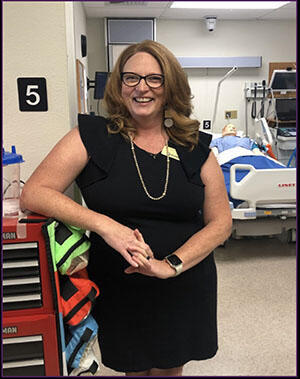
The world of nursing is rapidly changing; the level of expertise and expectations for professional nurses continue to increase. Butler‘s nursing program consistently responds with agility to the changes occurring in the practice setting. The future of nursing holds exciting opportunities. The possibilities are as diverse as the practice settings available for professional nursing. The privilege to make a difference in a patient‘s life is amazing and humbling. I welcome you to join the Butler nursing community as we work to improve the health of the communities we serve.
Janet M. Schueller, MSN, RN, CNE
Associate Dean of Health, Education, & Public Services
Faculty & Staff
We are here to help you and support you! Don't hesitate to reach out to one of us for questions, mentorship or anything else you might need.
Janet Schueller, Dean & Nursing Administrator
Phone: 322-3366
Email: jschueller@butlercc.edu
Office: 15-242
Andrea Wilcox, Administrative Assistant
Phone: 322-3140
Email: awilcox8@butlercc.edu
Office: 15-237
Briana Ainsworth
Phone: 322-3360
Email: bainsworth@butlercc.edu
Office: 15-243
Lea Atkinson
Phone: 322-3361
Email: latkinson2@butlercc.edu
Office: 15-241
Dianne Boggs
Phone: 322-3159
Email: dboggs1@butlercc.edu
Office: 15-234
Raven Christian
Phone: 322-3369
Email: rchristian2@butlercc.edu
Office: 15-240
Kirsten Coday
Phone: 322-3369
Email: kkvamsocoday@butlercc.edu
Office: 15-235
Joshua Hardy
Phone: 322-3364
Email: Jhardy5@butlercc.edu
Office: Winfield 105B
Joan Hoover
Phone: 322-3365
Email: jhoover@butlercc.edu
Office: 15-247
Kimberly Hubble
Phone: 323-6878
Email: khubble@butlercc.edu
Office: 15-251
Professional Nursing Tutor
Phone: 323-6877
Office: 15-216
Adam Kjellin
Phone: 323-6864
Email: akjellin2@butlercc.edu
Office: 15-236
Tonya Loveland
Phone: 322-3361
Email: tloveland@butlercc.edu
Office: 15-219
Hayley McVay
Phone: 322-3363
Email: hfellers1@butlercc.edu
Office: 15-238
Sabrina Olson
Phone: 322-3191
Email: solson5@butlercc.edu
Office: 15-249
Sybil Rockhill
Phone: 322-3139
Email: srockhill@butlercc.edu
Office: 15-245
Kaylene Schamber-Heller
Phone: 322-3143
Email: kschamberhel@butlercc.edu
Office: 15-245
Mitchell Taylor
Phone: 323-6803
Email: mtaylor6@butlercc.edu
Office: 15-239
Katelyn Sherman-Voge
Phone: 322-3341
Email: kshermanvoge@butlercc.edu
Office: 15-252
Selena Walker
Phone: 323-6071
Email: swalker20@butlercc.edu
Office: 15-244
Department of Nursing Mission and Philosophy
College Mission, Vision, and Learning College Principles
Vision: Butler Community College will be an innovator in shaping the future for students, faculty, staff, and the community in a caring environment through dynamic instruction, programs, and support services.
Mission: Butler Community College inspires and prepares students for lifetime success through inclusive, innovative, affordable, quality education while advancing community vitality.
Learn about our PACT statement below.
Learning PACT
The nationally recognized Butler Learning PACT is the instructional approach which Butler, as a Learning College, uses to facilitate the preparation of students to function as principled, productive individuals who are responsible, involved lifelong learners. The Learning PACT promotes a group of skills and knowledge that learners develop during their Butler experience. These Learning PACT skills and knowledge are vital for any adult to function successfully in the ever-changing world of the 21st century. A learning outcome is a body of knowledge or a set of skills which a student masters through doing coursework. If the student masters that learning outcome through the coursework, then he/she is equipped to make use of that body of knowledge or set of skills in the future. The Learning PACT is the list of the college wide learning outcomes which are the foundation for General Education at Butler. A faculty-driven process which used input from all segments of Butler stakeholders and a wide array of other American community college personnel and members of the regional and national business world formulated the list of Learning PACT skills. The Learning PACT is integrated throughout all of the college’s academic and student life programs in coursework, co-curricular activities, and all other learning opportunities.
The Learning PACT skills fall into four categories:
P = Personal Development Skills
(including personal management, interpersonal interaction)
A = Analytical Thinking Skills
(including critical thinking, problem solving)
C = Communication Skills
(including creation and delivery of messages, reception and interpretation of messages)
T = Technological Skills
(including general computer use, discipline-specific technology)
Our Mission
Butler Community College Department of Nursing, through inclusive education, prepares lifelong learners with the knowledge, skills and attitudes necessary to fully qualify to be professional nurses who contribute to meeting health care needs of the communities they serve.
Our Philosophy
This statement is the collective philosophy of the Department of Nursing Faculty and supports the Mission, Timeless Institutional Values, and Learning PACT of Butler Community College, as well as a deep commitment to health promotion. This philosophy encompasses the established professional standards for nursing education based on the National League for Nursing (NLN) competencies for Associate Degree graduates and the Quality and Safety Education for Nurses (QSEN) competencies which guide the curriculum.
These core competencies have been incorporated into the Kansas State Board of Nursing (KSBN) Core Outcomes for the Associate Degree Nurse (ADN), which are mandated for all Kansas ADN programs.
The Butler Associate Degree Nursing graduate is prepared as a generalist and is committed to patient centered care in advocating for the optimal health of the individual and family. As a leader possessing professional knowledge, skills and attitudes, the nursing graduate acknowledges the diversity, dignity, worth and right of each individual. The nursing graduate uses best current evidence within a critical thinking framework to guide nursing judgment and clinical decision making to provide safe and quality nursing care. The nursing graduate collaborates with other health care professionals to promote quality health outcomes, and utilizes current information and technology to support decision making.
The faculty believe that adult learners have preferred learning styles, have unique life experiences that influence learning, and possess the desire to be actively involved in the learning process. Based on Knowles’ and Kolb’s experiential theories of learning, faculty believe that the student assumes primary responsibility for learning while faculty provide educational opportunities in a variety of learning environments that are designed to advance the student’s application of nursing concepts, develop the students’ professional nursing role, and foster lifelong learning.
The Department of Nursing actively collaborates with both internal and external stakeholders in the ongoing development of mutually beneficial learning opportunities. Faculty participates within the learning environments serving as initiators, facilitators, role models and resource persons.
The faculty supports the Kansas Articulation Plan, which promotes advanced standing for licensed practical nurses into Butler’s nursing program. Through partnerships, Butler’s nursing program provides educational mobility for students and graduates who desire to continue formal education.
Curricular Framework
Concept-Based Curriculum
The Butler Nursing Program uses a Concept-based Curriculum (CBC). A concept-based curriculum (CBC) is a paradigm shift in nursing education. The focus of the CBC is to identify the most important concepts for the new nurse to know; then to facilitate the learning of that concept at the deepest level possible to facilitate critical thinking and to improve clinical judgment. Our desire is that the student will have a deep understanding of the concepts which will enable them to transfer knowledge to various clinical situations. This strategy is learning-centered and is supported in the evidence from multiple different disciplines such as neuroscience, psychology and the study of learning. The organizing framework moves the curriculum from the simple to complex and acute to chronic altered health states of clients. Concepts will be taught across the lifespan, which means that all populations of clients, from newborns to geriatric, will be explored within each concept for relevant differences within that population.
The nursing curricular framework was developed by nursing faculty using a concept-based approach.
(Ignatavicius, 2018), QSEN Core Competencies (2022) and NLN ADN Competencies for graduates of Associate Degree and Diploma programs (2022), as a guide to organize the curriculum. After review of the competencies, faculty defined and adopted the following Core Organizers:
- Evidence Based Practice: Evidence Based Practice incorporates the best available evidence for nursing care to question assumptions, and advocate for the improvement in the quality of care for patients, families and communities.
- Patient Centered Care: Nurses advocate for the engagement of patients and families as full partners in their health care. Patient Centered Care requires compassion and respect for the patients’ and families’ preferences, values and needs.
- Teamwork and Collaboration: Teamwork and Collaboration fosters open communication, mutual respect, and shared decision making to achieve quality patient care within nursing and interprofessional health care teams.
- Safety and Quality: Safety and Quality initiatives minimize the risk of harm to patients, families, communities, and providers by using continuous quality improvement data to evaluate and revise care processes.
- Professionalism and Leadership: Professionalism and Leadership in nursing involves delegation, accountability, integrity, confidentiality, legal-ethical standards, and knowledge of current political processes.
- Information and Technology: Information and Technology are utilized to communicate, manage knowledge, mitigate error, and support decision making throughout the program.
- Nursing Judgment: Nursing Judgment utilizes nursing science and evidence in developing, planning and evaluating care in order to provide quality and safe nursing care to patients, families, and communities.
Using the core organizers as a guide, faculty identified concepts that support these core organizers. Butler’s nursing faculty identified 18 Health/Illness concepts and 9 Professional concepts to facilitate a strong foundation of learning for students.
Health/Illness Concepts
- Acid/Base Balance
- Clotting
- Cognition
- Comfort
- Stress & Coping
- Elimination
- Fluid and Electrolyte Balance
- Oxygenation & Gas Exchange
- Immunity
- Metabolism
- Mobility
- Mood & Affect
- Nutrition
- Perfusion
- Perioperative Period
- Reproduction/ Sexuality
- Sensory Perception
- Tissue Integrity
- Evidence-based Practice (EBP)
- Health Care Delivery Organizations
- Informatics
- Legal/ Ethical
- Clinical Judgment
- Patient Centered Care
- Professionalism and Leadership & Management
- Safety and Quality
- Collaboration & Teamwork
Educational Model for Nursing Process
ANA Standards of Practice and Professional Behaviors
Integrated throughout the nursing courses are the American Nurses Association (ANA) Standards of Practice. The Standards of Practice describe a competent level of nursing care as demonstrated by the critical thinking model known as the nursing process. The nursing process includes the components of assessment, diagnosis, outcomes/planning, implementation and evaluation. “Nurses use theoretical and evidence-based knowledge of human experiences and responses to collaborate with healthcare consumers to assess, diagnose, identify outcomes, plan, implement, and evaluate care that has been individualized to achieve the best outcomes.” (ANA 2022, page 8)
Clinical Judgement Models
Nurses use a variety of reasoning patterns alone or in combination. Reflection on practice is often triggered by a breakdown in clinical judgment and is critical for the development of clinical knowledge and improvement in clinical reasoning. Tanner’s Model of Clinical Judgement and the National Council of State Boards of Nursing’s (NCSBN) Clinical Judgement Measurement Model (CJMM).
Tanners Clinical Judgement Model identifies the processes of clinical judgment that reflect the way nurses think in practice and is characterized by four aspects of the reasoning process: noticing, interpreting, responding and reflecting. As students learn to think like a nurse, the processes develop from noticing to interpreting, to responding, and then reflecting.
NCSBN’s CJMM was designed to explore new ways of testing clinical judgment in the nursing profession as part of the licensure examination. Its purpose is to help nurse educators and clinicians evaluate candidates’ clinical judgment and identifies the functions in the cognitive process that a nurse employs during decision making — functions that align closely with the Nursing Process.
Program Learning Outcomes
Department of Nursing Program Learning Outcomes/Kansas ADN Outcomes
The Department of Nursing’s terminal intended learning outcomes are the Kansas ADN Outcomes. These outcomes are the same for all Associate Degree programs in Kansas and were developed as part of the ADN Nursing Program Alignment by the Kansas Board of Regents. The outcomes were reviewed and revised in 2022 with required implementation by Fall 2023. These outcomes are referred to as End-of-Program (EOP) Student Learning Outcomes (SLOs).
- Integrate caring behaviors in practicing the art and science of nursing within a diverse population.
- Implement professional standards and scope of practice within legal, ethical, and regulatory framework.
- Collaborate with clients and members of the inter-professional health care team to optimize client outcomes.
- Formulate safe and effective clinical judgments guided by the nursing process, clinical reasoning, and evidence-based practice.
- Provide leadership in the management of care to meet client needs using available resources and current technology.
- Generate teaching and learning processes to promote and maintain health and reduce risks for a global population.
- Demonstrate effective communication methods to manage client needs and to interact with other healthcare team members.
Influencing Factors
Butler supports college readiness and success for all students through learner-centered strategies that focus on improving the student’s ability to write, collaborate, read, encourage and develop a student’s ability to inquire and be organized. Application of these skills makes learning a more expressive, focused, engaged, structured, and deeply informed activity. Nursing faculty use active learning strategies in all learning environments. We are committed to student success.
General Education Courses
General education courses, also known as support courses, provide foundation content that is necessary for the success of the nursing student. Examples of these courses are English and Anatomy and Physiology. Butler Community College and the Nursing Program are committed to helping students achieve both personal and educational success.
Accreditation / Community / Stakeholders
The Kansas State Board of Nursing (KSBN) is the regulatory agency for nursing. In addition to granting licensure to practical as well as professional nurses, it also oversees the schools of nursing in the state of Kansas. The Kansas Nurse Practice Act states what the requirements are for approved nursing programs including curriculum guidelines, faculty qualifications, clinical resources, educational resources and student policies. Changes in the Kansas Nurse Practice Act influence the curriculum of the school.
The Accreditation Commission for Education in Nursing (ACEN) is a national organization that is responsible for accrediting nursing education programs. Butler Community College is accredited by ACEN and has received approval for continuing accreditation for 8 years. “Accreditation is a voluntary, peer-reviewed, self–regulatory process by which non–governmental associations recognize educational institutions or programs that have been found to meet or exceed standards and criteria for educational quality. Accreditation also assists in the further improvement of the institutions or programs as related to resources invested, processes followed, and results achieved.” (ACEN, 2023)
Clinical agencies and community partners provide feedback through Advisory Council meetings about changing health care needs and the educational needs of professional nurses. This feedback assists the department of nursing to keep the curricular content current and to better prepare our graduates for the workplace.
The Department of Nursing makes a commitment to be aware of community health care needs.
The Butler Community College Department of Nursing organizing framework terminology is evident in all nursing courses and reflects ANA Standards of Practice, QSEN knowledge, skills and attitudes, NLN Competencies, and NCSBN Client Needs. Nursing courses are aligned to promote student success and for the student to ultimately achieve end-of-program student learning outcomes (EOPSLOs) which demonstrate achievement of the outcomes set forth by KSBN and KBOR Core Alignment for ADN nursing programs. These outcomes reflect various national standards for the ADN student, as well as reflect specific Butler Learning PACT skills. Butler Community College’s Nursing Program is committed to helping students competently demonstrate Kansas ADN Core Outcomes.
References
Our department remains diligent on current and trusted medical practices. Click below to see our references.
Accreditation Commission for Education in Nursing, (2023). ACEN accreditation manual. https://www.acenursing.org/accreditation/accred-manual/accreditation-manual
American Nurses Association. (2025). Code of ethics for nurses.
American Nurses Association. (2021). Scope and standards of practice: Nursing. (4th ed.). https://www.nursingworld.org/practice-policy/scope-of-practice/
Benner, P., Sutphen, M., Leonard, V., & Day, L. (2010). Educating nurses. A call for radical transformation. Jossey Bass (classic).
Benner, P., Tanner, C.A., & Chesla, C.A. (2009). Expertise in nursing practice: Caring, clinical judgment, and ethics. (2nd ed.). Springer Publishing Company. (classic)
Billings, D.M., and Halstead, J.A. (2023). Teaching in Nursing: A guide for Faculty. (7th ed.) Elsevier Saunders.
Butler Community College. (2026). Mission & vision. http://www.butlercc.edu/info/20005/about/362/mission-and-vision
Cronenwett, L. et. al. (2014). Quality and safety education for nurses. http://www.qsen.org (classic).
Giddens, J.F., Caputi, L., and Rodgers, B. (2019). Mastering concept-based teaching. A guide for nurse educators. (2nd ed.). Elsevier-Mosby.
Ignatavicius, D. (2017). Teaching and learning in a concept-based nursing curriculum. Jones & Barlett.
Kansas State Board of Nursing. (2022). ADN nursing program alignment. https://www. kansasregents.org/resources/PDF/Program_Alignment/ADN_Alignment_Map_2022.pdf
Knowles, M.S., Holton, E. F., Swanson, R. A., & Robinson, P.A. (2020). The adult learner. The definitive classic in adult education and human resource development (9th ed.). Routledge.
National Council of State Boards of Nursing. (2026). 2026 NCLEX-RN test plan. https://www.nclex.com/files/2023_RN_Test%20Plan_English_FINAL.pdf
National League for Nursing (2026). Mission. https://www.nln.org/about/about/mission-and-strategic-plan
Nielsen, A. (2016). Concept-based learning in clinical experiences: Bringing theory to clinical education for deep learning. Journal of Nursing Education. 55(7). 365-371. https://doi.org/10.3928/01484834-20160615-02
Tanner, C.A. (1998). Clinical judgment and evidence-based practice: Conclusions and controversies. Communicating Nursing Research Conference Proceedings, 31, 19-35. (classic).
Tanner, C.A. (2006). Thinking like a nurse: A research-based model of clinical judgment in nursing. Journal of Nursing Education, 45, 204-211. (classic).
Curriculum Sequence and Pre-requisites: Nursing Department
All courses must be successfully completed with a “C” or higher in order to progress to the next course or semester. Professional nursing and pharmacology for nursing are integral to the PCC courses; therefore, students who fail the nursing support courses (pharmacology or professional nursing) will be unable to meet the clinical requirements in the PCC courses, and will thus fail the PCC course and will need to repeat both. Students will not have to repeat nursing courses that they have successfully completed, as long as they are within the Delayed Return time frame.
For course descriptions, see the Course Catalog.
Professional Concepts
National League for Nursing (NLN) ADN Competencies
The National League for Nursing is a national organization dedicated to promoting excellence in nursing education that sets standards for nursing programs, beginning at the practical level through the doctoral level. Butler incorporates the essence of the competencies set for the associate degree nurse which includes (NLN, 2023):
- Human Flourishing: Advocate for patients and families in ways that promote their self-determination, integrity, and ongoing growth as human beings.
- Nursing Judgment: Make judgments in practice, substantiated with evidence, that integrate nursing science in the provision of safe, quality care and that promote the health of patients within a family and community context.
- Professional Identity: Implement one’s role as a nurse in ways that reflect integrity, responsibility, ethical practices, and an evolving identity as a nurse committed to evidence-based practice, caring, advocacy, and safe, quality care for diverse patients within a family and community context.
- Spirit of Inquiry: Examine the evidence that underlies clinical nursing practice to challenge the status quo, question underlying assumptions, and offer new insights to improve the quality of care for patients, families, and communities.
The Kansas ADN Outcomes, the Butler Learning PACT skills and the QSEN competencies provide the structure of the Department of Nursing‘s organizing framework. Client needs from the National Council of State Boards of Nursing’s (NCSBN, 2023) organize the content within the framework, as does the ANA Standards of Practice and the QSEN Knowledge, Skills & Attitudes. There are 4 categories of client needs from the NCLEX-RN Test Plan and are outlined in the table on the next page.
Admission Policies
A nursing class is admitted each semester, and by location, guided by student/faculty ratio and availability of clinical facilities. Applications are accepted throughout the year. Prospective nursing students are encouraged to complete the required information as early as possible. Students receive written notification of the decision from the Nurse Administrator for the Department of Nursing. Admission to the college is the first step in the process for the prospective nursing student. Admission to the college does not ensure admission into the nursing program. The admission policies of the Department of Nursing fall within the general guidelines of the college.
Click below to learn more about our policies.
CLEP Test
Students wishing to CLEP nursing prerequisite courses should check the current college catalog for the college level examination program (CLEP) testing information. Credit hours are issued without grades for a CLEP exam, and since part of the entrance into the program is based on the combined earned grades of the three prerequisite courses, the CLEP course is considered equivalent to a grade of “C” which will be reflected in the earned grade points computation.
Technical Standards
Nursing at the Associate Degree level involves the provision of direct care for individuals and is characterized by the application of verified knowledge in the safe and skillful performance of nursing functions. Therefore, in order to be considered for admission or to be retained in the program after admission, all applicants should possess:
- Sufficient visual acuity, such as needed in the accurate preparation and administration of medications, and for the observation necessary for patient assessment and nursing care.
- Sufficient auditory perception to receive verbal communication from patients and members of the health team and to assess health needs of patients.
- Sufficient gross and fine motor coordination to respond promptly and to implement the skills, including the manipulation of equipment required in meeting health needs.
- Sufficient communication skills (speech, reading, writing) to interact with individuals and to communicate needs promptly and effectively as may be necessary in the individual‘s interest.
- Sufficient intellectual and emotional functions to plan and implement care for individuals.
Additionally, any health condition that the student may have that would pose a safety concern to clients, faculty, students, clinical facility employees or to the student themselves will not be allowed to participate in the clinical setting.
Affirmative Action and Title IX
The Affirmative Action Officer for the college is the college Associate Vice President of Human Resources. The Title IX Coordinator is the coordinator of the Title IX Team.
Students with Special Needs
The Disability and Services Department, in accordance with Section 504 of the Rehabilitation Act and the Americans with Disabilities Act of 1990, is committed to improving access to educational opportunities and providing reasonable accommodations for any individuals with disabilities which limit their life functioning.
Disability Coordinator, Kathy Brownlee at: kbrownlee2@butlercc.edu or at 316-322-3321.
Admission Process for Generic Students
Please view the complete handbook to view these steps, including submission details, final selection rankings and more important information.
Admission Process for Advanced Standing of Licensed Practical Nurses
Please view the complete handbook to view these steps, including submission details, LPN requirements, final selection rankings and more important information.
Articulation Plan
In support of the Nursing Education Articulation Plan for Kansas, Butler Community College Department of Nursing provides an opportunity for articulation of the licensed practical nurse (LPN) into the second year of the associate degree nursing curriculum. This is offered only on the El Dorado campus. At the time of graduation, the student has earned an Associate in Applied Science Degree and is eligible to take the National Council Licensure Examination - Registered Nurses (NCLEX-RN).
Butler Community College believes in the concept of educational and career mobility, encouraging each individual to continue to build on the foundation of education and experience already achieved in reaching individual potential. The nursing faculty encourages the LPN to evaluate resources and personal abilities in order to establish realistic career goals.
Licensed Practical Nurses (LPNs) are provided the opportunity to apply for advanced standing within the nursing program. Specific requirements for advanced standing can be obtained by:
- Accessing the Butler Nursing website for Admission Process for Advanced Standing for LPNs
- E-mailing your name and address to Department of Nursing at: kshermanvoge@butlercc.edu and requesting Advanced Standing Materials be sent to you.
- Calling the Department of Nursing 316.322.3140.
Admission Procedure for Students Requesting Transfer into the Program
Butler’s nursing program will consider transfers into the program on a case-by-case basis, for transfer students with previous successful completion of nursing curriculum in another pre-licensure nursing program, as approved by Kansas State Board of Nursing. Students wishing to transfer from another nursing program must complete the following requirements to be considered for Butler’s Associate of Applied Science in Nursing:
- Apply to Butler Community College.
- Submit online application for Butler Nursing Application form for Nursing Transfer students, which will include an explanatory letter requesting the evaluation of transfer eligibility, by the applicant and all official transcripts including their nursing transcript and any other transfer hours sent to the Registrar’s office.
- A letter of recommendation from the dean or director of the prior nursing program is required. This letter is to be sent directly to the Nurse Administrator for the Butler Department of Nursing.
- All required information should be emailed or mailed to:
Butler Community College, Selective Admissions
Department of Nursing
901 S. Haverhill Rd.
El Dorado, KS 67042
nursing@butlercc.edu
Based on space availability, an evaluation will be completed on an individual basis to determine what semester or course level of the program the student may transfer to. Butler does not accept transfer students into the first semester of the nursing program. Students coming into first semester must complete all admission requirements and compete for a spot in the first semester of Butler’s nursing program.
If there are more applicants than spaces, the student is selected on a competitive basis by the combined GPA of the prerequisite courses. Prerequisite courses are the general education courses and others listed prior to the semester the student is eligible for being admitted. For example, a student eligible for admission to 2nd semester would need to have English Comp. I, General Psychology, Anatomy and Physiology, College Algebra or equivalent and Pathophysiology. Students will be officially accepted into the program pending completion of the student’s responsibilities as referenced in the Clinical Requirements and Standards of Behavior in Nursing Student Handbook Addendum.
Progression Policies
Academic Progression
The Kansas State Board of Nursing requires evidence that the vocational and/or associate degree nursing graduate has successfully completed all curriculum requirements before they will accept the graduate’s application to write the NCLEX-PN or NCLEX-RN licensure exams. Students must receive passing grades (C or above) in all required courses, which includes satisfactory completion of course clinical criteria, as well as receiving a “C” or better on the theory component of the course. GPA in required courses must be 2.0 or greater.
All courses in a nursing semester must be successfully completed in order to progress to the next course or semester. Professional nursing and pharmacology for nursing are integral to the Patient Centered Care (PCC) courses; therefore, students who fail the nursing support courses (pharmacology or professional nursing) will be unable to meet the clinical requirements in the PCC courses, and will thus fail the PCC course and will need to repeat both. Students will not have to repeat nursing courses that they have successfully completed, as long as they are within the Delayed Return time frame.
Students who withdraw or receive a D or F in any nursing course (NR 101, NR 116, NR 102, NR 161, NR 122, NR 262, NR 117, NR 118, NR 218, NR 263, NR 243, NR 244 or NR 246 may repeat the course once utilizing the following process:
The student must communicate with the lead faculty to discuss the circumstances of their course failure/ withdrawal.
It is the student’s responsibility to initiate a request for readmission to the program. The written request should be submitted to the Nurse Administrator of the nursing program. The Nurse Administrator will solicit a recommendation from course faculty and other appropriate sources to make a determination for readmission.
Students will be readmitted pending determination and space available.
Readmission is contingent upon successful completion of any remediation assigned by lead faculty. This remediation is communicated to the student and monitored by the Course Lead Faculty.
General Education Support Courses
These general educations courses, also known as support courses, provide foundation content that is necessary for the success of the nursing student. Examples of these courses are English and Anatomy and Physiology.
It is the nursing student’s responsibility to enroll in the appropriate college general education support courses to assure their progression through the nursing program in a manner consistent with the curriculum sequence. Support courses must be mastered (course grade C or above) before proceeding to the next nursing course within the sequence.)
Students receiving a D or F in any of the college support courses (i.e. pathophysiology, developmental psychology, therapeutic nutrition, etc.) must repeat the courses until the standard is met. Failing to be successful in support courses may impact the student’s ability to progress, for example, students who do not successfully complete pre-requisite courses will be automatically dropped from their prospective nursing courses. The student must also arrange a conference with the Nurse Administrator in order to discuss the impact of course repetition on curriculum sequence.
Delayed Return Policy
Students requesting to return to the nursing program after an absence must send a written request to the Nurse Administrator and may be considered, pending space available. The Nurse Administrator has the final decision regarding placement. If absent from the program for:
-
One semester
Repeat the urine drug screen
-
Two semesters (one year) must
Repeat the criminal background check and urine drug screen
-
Three semesters (1 and ½ years) – students will be considered for readmission on a case-by-case basis
Traditional students must restart the program and apply for spot in 1st semester
If seeking readmission into third or fourth semester, must be a licensed LPN and will compete for spot in advanced standing cohort
Pharmacology Proficiency
Students are expected to apply the principles of pharmacology as they relate to specific course content.
(Refer to course syllabi for specific course requirements.) Students will be expected to demonstrate knowledge of pharmacology content within the Patient Centered Care (PCC) courses in order to meet clinical requirements. Students will be required to demonstrate math competency at 90% or higher in the Pharmacology courses. Students will not be allowed to pass medications until math competency is met.
Student Code of Conduct
The Butler Nursing Program follows the College’s Student Code of Conduct. Additional information regarding the student code of conduct can be found in the current college catalog in the Enrollment and Academic Information section and the Butler Student Handbook. Professional behaviors are expected of all nursing students whether the student is participating in lab, simulations, or direct patient care in the clinical environment. All of these are considered clinical time and will thus be evaluated as such.
Clinical Learning Center Standards of Behavior
Students will be expected to participate in laboratory experiences as if they were in an actual health care setting. This includes but is not limited to using:
- Appropriate infection control, hand washing/gloving
- Proper body mechanics
- Proper disposal of supplies/needles
- Proper identification of patient and allergies
- Safety issues for patient–side rails up, bed low, etc.
- Psychosocial support–introduction, appropriate interaction with patient
- Documentation of care
- Professional behavior, dress and communication between faculty, peers, and patients
Expectations for student conduct during practice labs, skills lab, simulations and general clean up:
- Do not remove the manikin from the bed, or any part of the manikin, unless supervised by an instructor or the lab facilitator.
- Return the simulation bed to its original state, ready for the next student:
- Dispose of trash appropriately
- Replace used supplies
- Change linens as needed
- Return the bed to the original position
- Clean up spills
- Put away all supplies and equipment
- Dispose of all needles and biohazard material in the sharps box.
- Report any incidents or malfunctions to the Lab Facilitator or any nursing faculty.
- Students are responsible for their personal belongings. Please use coat hangers and shelves as available.
- No food or drinks are permitted in “patient” rooms.
- Clinical uniforms with Butler ID badge must be worn in the lab for every activity. (Please bring a stethoscope, a watch with a second hand, and a pen if doing a scenario in the lab.) The only exception to the above is if signing up to practice skills independently (without instructor assistance), at which time lab jackets (including Butler ID badge) must be worn. Note: No outerwear other than the Butler grape-colored uniform jacket may be worn in the lab. No offensive odors, including smell of smoke, are permitted on students, their clothing, or their belongings when in the Clinical Learning Center.
For the uniform requirement in the Clinical Learning Center, please refer to the Dress Code/ Uniform Policy.
Ethics for Nurses
Life and death decisions are a part of nursing, and ethics are therefore fundamental to the integrity of the nursing profession. Every day, nurses support each other to fulfill their ethical obligations to patients and the public, but in an ever-changing world – there are increased challenges. Butler’s Department of Nursing prepares students to be excellent nurses who support their patients and each other and uphold the American Nurses Association’s Code of Ethics.
The Code of Ethics for Nurses with Interpretive Statements is the social contract that nurses have with the U.S. public. It exemplifies our profession’s promise to provide and advocate for safe, quality care for all patients and communities. It binds nurses to support each other so that all nurses can fulfill their ethical and professional obligations. This Code reflects the proud ethical heritage of nursing; one which will continue, whatever challenges the modern health care system presents.” (ANA, 2023)
The Code of Ethics for Nurses with Interpretive Statements 10 Provisions are:
- “The nurse practices with compassion and respect for the inherent dignity, worth, and unique attributes of every person.”
- “A nurse’s primary commitment is to the recipient(s) of nursing care, whether an individual, family, group, community, or population.”
- “The nurse establishes a trusting relationship and advocates for the rights, health, and safety of recipients of nursing care.”
- “Nurses have authority over nursing practice and are responsible and accountable for their practice consistent with their obligations to promote health, prevent illness, and provide optimal care.”
- The nurse has moral duties to self as a person of inherent dignity and worth including an expectation of a safe place to work that fosters flourishing, authenticity of self at work, and self-respect through integrity and professional competence.”
- “Nurses, through individual and collective effort, establish, maintain, and improve the ethical environment of the work setting that affects nursing care and the well-being of nurses.”
- "Nurses advance the profession through multiple approaches to knowledge development, professional standards, and the generation of policies for nursing, health, and social concerns.”
- “Nurses build collaborative relationships and networks with nurses, other healthcare and nonhealthcare disciplines, and the public to achieve greater ends.”
- "Nurses and their professional organizations work to enact and resource practices, policies, and legislation to promote social justice, eliminate health inequities, and facilitate human flourishing.
- “Nursing, through organizations and associations, participates in the global nursing and health community to promote human and environmental health, well-being, and flourishing.” (American Nurses Association, 2025, p. vii-ix)
Nursing students are expected to conduct themselves at all times in accordance with the ANA Code of Ethics for Nurses when identifying themselves as a Butler Nursing Student. Which means that nursing students must:
- Display a professional attitude to patients, their families, and other members of the health care team.
- Constantly demonstrate a professional demeanor and remain visibly calm in a variety of clinical settings.
- Constantly exercise appropriate clinical reasoning/judgment skills and have the ability to set priorities.
- Demonstrate the ability to cope with an array of unpredictable situations, be flexible, and remain emotionally stable under stress.
- Demonstrate the ability to self-regulate, professionally accept constructive feedback and remain emotionally stable when performing under stress. Students must be able to cope with a variety of unpredictable situations and demonstrate flexibility.
- Not pose a direct threat or significant risk to the health and safety of others in the class and clinical situation.
- Be able to respond appropriately to emergencies.
Failure to do so will result in disciplinary action; including possible dismissal from the nursing program or even from the college as outlined below. Nursing students must:
- Display a professional attitude to patients, their families, and other members of the health care team.
- Constantly demonstrate a professional demeanor and remain visibly calm in a variety of clinical settings.
- Constantly exercise appropriate clinical reasoning/judgment skills and have the ability to set priorities.
- Demonstrate the ability to cope with an array of unpredictable situations, be flexible, and remain emotionally stable under stress.
- Demonstrate the ability to self-regulate, professionally accept constructive feedback and remain emotionally stable when performing under stress. Students must be able to cope with a variety of unpredictable situations and demonstrate flexibility.
- Not pose a direct threat or significant risk to the health and safety of others in the class and clinical situation.
- Be able to respond appropriately to emergencies.
Academic Integrity
The Butler Nursing Program follows the College’s academic integrity policy. Additional information regarding the academic integrity including examples of cheating, examples of plagiarism, and handling process and consequences for violators can be found in the current college catalog in the Enrollment and Academic Information section and the Butler Student Handbook. Academic Integrity also means that Students will not post exam questions or any form of exam content to social media.
Unit exams are independent activities (no discussion about the exams outside the classroom). Students who arrive late to exams will not be able to use a Crib Card and will not be given additional time to complete the exam. If the student desires the full time for the exam, they should not enter the testing room and will need to schedule the exam through the testing center. The student will be counted absent from that exam.
Plagiarism is representing or turning in someone else‘s work without proper citation of the source. This includes unacknowledged paraphrase, quotation, or complete use of someone else‘s work in any form. It also includes citing work that is not used and taking credit for a group project without contributing to it.
Faculty members have discretion in handling student violations of the academic integrity policy, but faculty members must consult with their deans or administrators. Faculty members must inform students of violations and their consequences in writing. Students who violate the academic integrity policy will sustain academic consequences set by faculty members, which may include, but are not limited to:
- A warning.
- A zero or failing grade on the academic exercise with repetition of the exercise allowed for reduced or the same amount of original credit.
- A zero or failing grade on the exercise with no repetition allowed.
- A failing grade in the course and removal from it.
Students who violate the academic integrity policy are also subject to administrative consequences, which may include, but are not limited to:
- Reduction or cancellation of a college scholarship.
- Suspension from college activities.
- Being barred from the course and/or program for a set time.
- Being barred from the course and/or program permanently.
- Suspension from the college for a set time.
- Expulsion from the college.
- Students will be informed of administrative consequences in writing.
- Students who have been accused of academic integrity violations may follow the Academic Appeals process listed under Student Grievance Procedures. This process assures due process and procedure. Generally, if dissatisfied with the consequences set by faculty members, students may appeal in writing to appropriate deans or administrators. If dissatisfied with the Student Review and Appeals Committee‘s decision, students may appeal to the Vice President of Academics, whose decision is final. Students will be notified of appeal results in writing.
Social Media Policy
Butler Community College supports the use of technology inside and outside the classroom, including the appropriate use of social media communication platforms. This support comes with the expectation that students in Butler programs will uphold the ethical standards of their prospective professions and the Butler Community College Student Code of Conduct, with all communication using social media platforms, including but not limited to, Facebook, Twitter, TikTok, Group Me, Discord, or any other platforms.
Federal regulations regarding privacy such as Health Insurance Portability and Accountability Act and Family Education Rights and Privacy Act (HIPAA and FERPA) apply to all personal and academic communication. Student use of photography and/or recording devices is prohibited in all clinical, laboratory, studio, and performance sites, unless formal permission by the instructor of record is granted before the fact.
It is the expectation that students have read and understand the Student Code of Conduct and Federal regulations related to privacy (HIPAA and FERPA). Noncompliance with either policy will result in disciplinary action which may include failure of a course, probation, suspension and/or dismissal from the program.
Cell Phone / Electronic Device Policy
Cell phones, smart watches and any other electronic device are not allowed in the classroom/computer lab during the testing process or any exam related activity unless directed by faculty for the purposes of remote proctoring.
Student Records
The Department of Nursing maintains student nursing program related records for purposes of admission and progression in the nursing program according to the FERPA (Family Educational Rights and Privacy Act).
FERPA grants four specific rights to the adult student:
- The right to see the information that the institution is keeping on the student
- The right to seek amendment to those records and in certain cases append a statement to record
- The right to consent to disclosure of his/her records
- The right to file a complaint with the FERPA office in Washington.
Student records include any information provided by the student to the college for use in the educational process including: personal information, enrollment records, grades, and schedules.
Some information is considered public, or “Directory Information”. This information can be released without the student’s written permission. Directory Information includes: name, dates and place of birth, addresses (both local and permanent), e-mail addresses, phone, dates of attendance, year in school, awards and academic honors, degree received and dates awarded, major program, activity participation, and enrollment status (enrolled or not enrolled).
In compliance with FERPA, non-directory information will not be released for students by the college unless students give written permission. A student may have a confidentiality flag placed on their directory information as well by contacting the administrative assistant in the Nursing office, which would prevent any information from being released, even in the case of verification for employment or insurance purposes. The confidentiality flag remains until the student requests its removal. Release of Information permission forms are available in the Registrar’s office.
It is the responsibility of the student to keep their personal data up to date. Name changes must be accompanied by legal documentation, i.e. copy of driver’s license, social security card, or court order. All transcript requests are handled by the Registrar’s office and the request form is available online.
Clinical Requirements and Standards of Behavior
The Butler Nursing Program follows the Clinical Requirements and Standards of Behavior in the Nursing Student Handbook Addendum. All Clinical Requirements and Standards of Behavior are based on the highest level of expectation set by our clinical partners and reflect compliance with their regulations for students participating in clinical activities at their respective facilities. The Clinical Requirements and Standards of Behavior in Nursing Student Handbook addendum includes additional information on the following items:
- background check
- urine drug screen
- immunization requirements
- annual physical exam
- CPR certification
- malpractice (liability) insurance
- dress code/uniform policy
- Clinical Learning Center policy
- student employment at clinical agencies
- confidentiality statement
- refusal to care
- miscellaneous requirements
- blood or body fluid exposure protocol
- safety
Tobacco Free Campus Policy
The Butler Nursing Program follows the College’s tobacco free campus policy. Additional information regarding the definitions, background and rationale, policy, and compliance can be found in the current college catalog in the Enrollment and Academic Information section and the Butler Student Handbook.
Learning Resources and Instructional Facilities
Nursing Department
On the Butler of El Dorado campus, the nursing faculty offices, learning studios, Connell Nursing Technology Lab and Clinical Learning Center are located in Building #1500 on the 2nd floor.
On the Butler of Winfield campus, the nursing faculty office, learning studio and skills lab are located in Cowley College’s Allied Health Center. Butler Community College partners with Cowley College, Southwestern College, and William Newton Hospital to share the use of the Nursing Simulation Center in the Winfield Healthcare Center on the hospital campus. Butler of Winfield nursing students join synchronous instruction sessions with the El Dorado cohort via Microsoft Teams, utilizing real-time video conferencing and collaboration tools to ensure full participation in the virtual learning environment, while participating with a professor and their peers at the Winfield campus.
Clinical Learning Center
The Clinical Learning Center is open for nursing students Monday through Friday from 8:00 a.m. – 4:00pm, or as posted on the lab door. This center is used by students for practice and return demonstration / skill competency testing throughout the nursing program. Skills and technology labs, clinical simulation experiences and clinical performance exams are activities offered for students throughout the program.
Connell Nursing Technology Lab (Computer Lab)
The Connell Nursing Technology lab is open for nursing students to view course materials, nursing software, internet access, and testing.
L.W. Nixon Library
The L.W. Nixon Library, located on the second floor of Building #600, houses the nursing holdings of books, journals, and reference materials. Students are encouraged to utilize the resources within the library and to consult with the professional librarian and staff. The library hours are listed on their web site. The library also has a number of health-related databases. There are also libraries at the Butler of Andover and Butler of Rose Hill locations. Resources are available through interlibrary loan. A virtual chat function is available for students to talk with a librarian.
Financial Information
Financial Aid for Nursing Students
The Office of Student Financial Aid will correspond electronically with students through their Butler email account. Students who prefer to receive correspondence via the postal service, should contact the financial aid office to make this change. Students can do this by sending an e-mail to finaid@butlercc.edu that includes their name, student ID number or the first 5 digits of their Social Security Number (SSN). Students are encouraged to use e-mail as it is the quickest way to communicate.
Butler participates in four federal aid programs and provides institutional scholarships and employment. The receipt of federal funds is determined by a uniform analysis of the student’s financial need. Students are required to complete the Free Application for Federal Student Aid (FAFSA), available on their website.
See full financial aid information in college catalog.
Read about our scholarship application and policies below.
Nursing Scholarship Application Process
In order to be considered for an academic or Foundation Scholarship while in the nursing program, students must complete an online scholarship application each academic year according to posted due dates. To complete this application, you will need to log into MyButlerCC and click on the green “Scholarships” tile. Complete the questionnaire and submit. Nursing students who return the application and who meet the scholarship criteria established will be considered eligible for the awards.
Final scholarship awardees are determined by the Foundation.
Many of the scholarships specify that the student have financial need. This need is determined through the Financial Aid Office and requires the student complete a Financial Aid Application (FAFSA), which are available in the Financial Aid Office. This is only required once each academic year.
Policies Regarding the Selection of Nursing Scholarship Recipients
- Scholarships designated specifically for Nursing will be awarded only to students admitted to the Nursing program.
- Students indicating Nursing as a major, but not admitted to the program, will be considered for general scholarship awards.
- Selected recipients will receive an award offer email to the Butler email address indicating the name and amount of the scholarship award.
- Funds are made available through the Foundation and disbursed through the Financial Aid Office.
- Most scholarship awards are renewable each semester as long as the recipient continues to meet the scholarship requirements. Recipients of Butler nursing scholarships do not have to enroll in and complete 12 credit hours each semester to maintain eligibility for endowed Butler awards. Other academic (non-nursing) scholarships may require the student to carry 12 hours.
- Students selected for a Foundation scholarship will be required to complete a “thank you” note and a student profile form. These will be forwarded to the scholarship donor.
- Each Foundation scholarship recipient will also be invited to the annual scholarship reception held each fall.
Do not confuse Butler nursing Scholarship awards with the State of Kansas Nursing Scholarship, which does require the recipient to be enrolled in a minimum of 12 credit hours each semester.
Information for Students Preparing to Graduate
Degree Check
The student has the responsibility of completing a graduation degree check through the advising office during the second level of the nursing program to ensure the student has met/is meeting the graduation requirements.
Student Honors
Graduating sophomores may earn an additional honor by qualifying for membership in the Order of the Purple or Order of the Gold. Order of the Purple candidacy is announced each spring by the Vice President of Academics. Candidacy for this honor is based on Butler grade point average figures and minimum of 30 resident Butler hours earned the semester before graduation.
Graduates with grade point averages of 3.75 and above are eligible for membership in Order of the Purple. To further qualify for Order of the Gold, graduates must have a combined 4.0 grade point average based on final grade point including any transfer hours, these hours are calculated to include the semester of graduation.
Both honors are based on the student’s final Butler grade point average, including developmental hours, and a minimum of 30 resident Butler hours (for Advanced Standing Students, the “Credit by Advanced Placement Examination” hours do not count toward the minimum 30 hours). Academic renewal disqualifies students from eligibility for Order of the Purple or Gold. Repeated courses are acceptable.
If eligibility occurs after final semester grades are included, honors are posted to student’s transcript and the award sent at that time.
Complete a degree check in the Registrar’s Office to ensure you will meet the graduation requirements.
Qualifications for Writing State Board Licensure Examination
Prospective students must understand the qualifications for applicants for licensure as a Professional Nurse in Kansas. These qualifications can be obtained from the Kansas State Board of Nursing:
Kansas State Board of Nursing
Landon State Office Building
900 SW Jackson Street Suite 1051
Topeka, Kansas 66612-1230
Main: 785.296.4929
Nursing Student Opportunities
Student Representation on Nursing Faculty Team
The Nursing Faculty Team has student representatives as a part of team membership. The student representatives to the nursing faculty meetings shall be the elected class President or Vice President from each nursing class currently within the program. Student representatives will be informed of team meeting dates. Student input is highly valued and officers are highly encouraged to attend faculty team meetings.
Elections During First Year of the Program
In the 1st semester of the program, class officers are elected for the 1st year of the nursing program. Nominations are opened on the day scheduled for the election. The individual must be willing to accept nomination prior to submitting name. Nominees present a brief summary of their qualifications for the office.
Responsibilities by Office
President
- Serve as liaison at monthly faculty meetings (Schedule of meetings will be sent to Class Officers at the beginning of the semester).
Vice-president
- Serve as an alternate at monthly faculty meetings.
Butler of Winfield Representative
- Serve as liaison at monthly faculty meetings (Schedule of meetings will be sent to BOW representative at the beginning of the semester).
Elections During Second Year of the Program
In the 3rd semester, class officers are elected for the 2nd year of the nursing program. Nominations are opened on the day scheduled for the election. The individual must be willing to accept nominations prior to submitting name. Nominees present a brief summary of their qualifications for the office. The elected offices are: President, Vice-president. A Butler of Winfield student is also elected as a class representative if not elected as President or Vice-President. Election is by hand vote.
Responsibilities by Office
President
- Serve as class liaison at monthly faculty meetings (Schedule of meetings will be sent to Class Officers at the beginning of the semester).
- Pinning Ceremony Address to Classmates.
Vice-president
- Serve as an alternate in the event of the President’s absence during faculty meetings.
- Lead class in the “International Council of Nurse’s Pledge” at Butler’s Pinning Ceremony.
Butler of Winfield Representative
- Serve as liaison at monthly faculty meetings (Schedule of meetings will be sent to BOW representative at the beginning of the semester).
Butler Student Nurses Association
The Butler Student Nurses Association (BSNA) is a student organization that supports professional development, leadership, community engagement, and nursing education. BSNA provides opportunities for nursing students to participate in activities that promote the nursing profession and contribute to the delivery of high-quality health care. All nursing and pre-nursing students are encouraged to participate in BSNA activities and events.
For information regarding BSNA membership, activities, and officer elections, contact the BSNA Faculty Advisor, Kimberly Hubble, at khubble@butlercc.edu.
Read more about BSNA elections and responsibilities.
Election of BSNA Officers:
Officer elections are conducted annually and completed by the end of April. Students interested in serving as a BSNA officer must apply by the deadline established by the Nominating and Elections Committee. Current BSNA officers will promote leadership opportunities and provide information regarding the application process. Following the application period, an electronic ballot containing eligible candidates will be distributed to BSNA members for voting. Officers are elected by a majority vote of participating members. Newly elected officers will serve a one-year term and assume their responsibilities according to BSNA bylaws and guidance from faculty advisors.
Responsibilities Butler Student Nurses Association
President
Provides overall leadership for the Butler Student Nurses Association by representing the organization, serving as the liaison to faculty, overseeing committees, and ensuring association goals and decisions are carried out. Coordinates major events including the Career Fair and BSNA Orientation for incoming students.
Vice President
Supports the President and assumes presidential responsibilities when the President is absent, unable to serve, or when a vacancy occurs. Serves as an alternate faculty liaison and coordinates the Spring Blood Drive while assisting with all association activities.
Secretary
Maintains accurate records of the association by taking, reviewing, and distributing meeting minutes and submitting required reports to state and national organizations. Assists with communication-related responsibilities such as newsletters, website management, and other assigned duties.
Treasurer
Manages the association’s finances by overseeing funds, preparing financial reports, and providing guidance on budgeting and fundraising activities. May chair the finance committee and support other financial initiatives as assigned.
Membership Chair
Promotes member engagement and communication by managing the association’s social media platforms, adding new members, and moderating online content. Assists with fundraising efforts and other activities as assigned by the President or faculty sponsor.
Notice of Nondiscrimination
Butler Community College is committed to providing a workplace and educational environment, as well as other benefits, programs, and activities, that are free from discrimination, harassment, violence, and retaliation. Butler Community College prohibits any form of discrimination, harassment, violence, threats or attempts to inflict and/or aid in inflicting violence against an employee or student based on race, color, religion, sex, sexual orientation, gender identity, national origin, age, disability, veteran status, genetic information, marital status, political affiliation and/or any other status protected by federal, state or local law and/or because the person opposed unlawful discrimination and/or participated in an investigation or compliant concerning unlawful discrimination. Lack of English language skill is not a barrier to admission and participation in educational programs and activities. Any person having inquiries regarding special needs, support services, or Butler Community College’s compliance with the regulations implementing Title VI, Title IX and the Americans with Disabilities Act of 1990 is directed to contact the coordinators who have been designated to coordinate the educational institution’s efforts to comply with the regulations implementing these laws.
Click below for our Title IX and ADA Compliance Officer/Section 504 Coordinators.
Title IX Coordinator:
Sherri Conard
Director of First Year Experience
BOA Student Union Manager
715 E 13th St
Student Life Center, Office 5002C
Andover, KS 67002 sconard@butlercc.edu
316.323.6373
ADA Compliance Officer/Section 504 Coordinator:
Kathy Brownlee
Director of Disability Services
Office of Disability Services
901 South Haverhill Rd
Hubbard Center, Office 603E
El Dorado, KS 67042
kbrownlee2@butlercc.edu 316.322.316
Butler Community College
Department of Nursing
Statement of Understanding
I have read the BCC Nursing Department Student Handbook (including addenda) and the Clinical Requirements and Standards of Behavior in Nursing Student Handbook Addendum and am aware of the policies relating to my enrollment and activities in the nursing program. I agree to abide by these policies. I am also aware that the standards within this handbook and addendum are subject to change and I will be informed of such changes via email or written communication and/or within the course syllabus.
I understand that my failure to complete and turn in all required forms, including this page, will result in my being unable to attend the clinical component until all of my forms have been turned into the nursing office.
Printed Name
Signature Date
(This form will be provided the first day of class for you to sign.)